Invited Speakers
* Ranked by scheduled order.
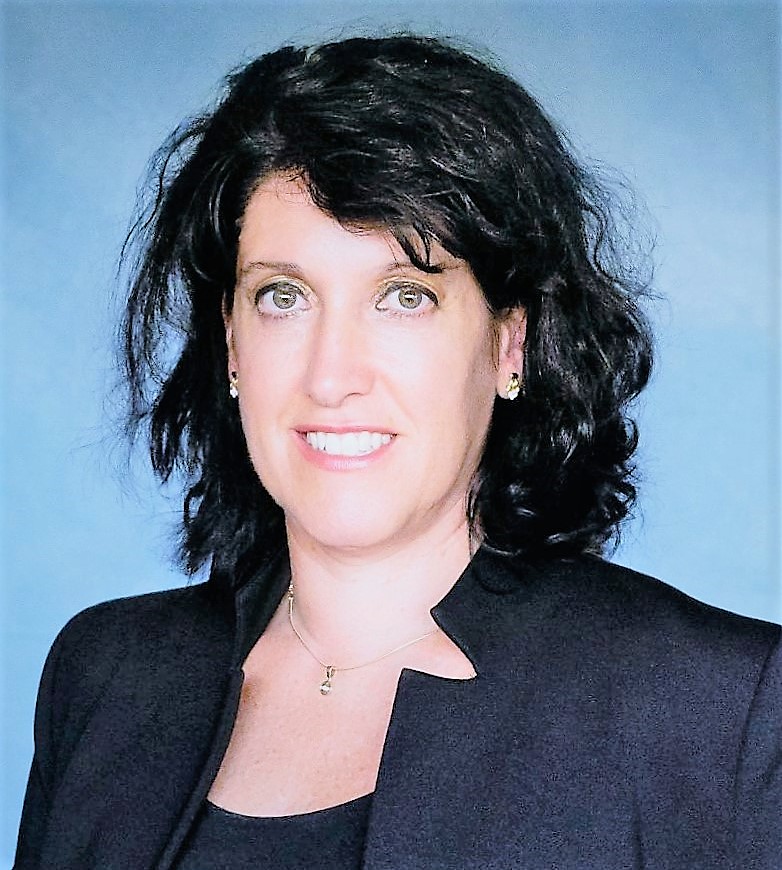
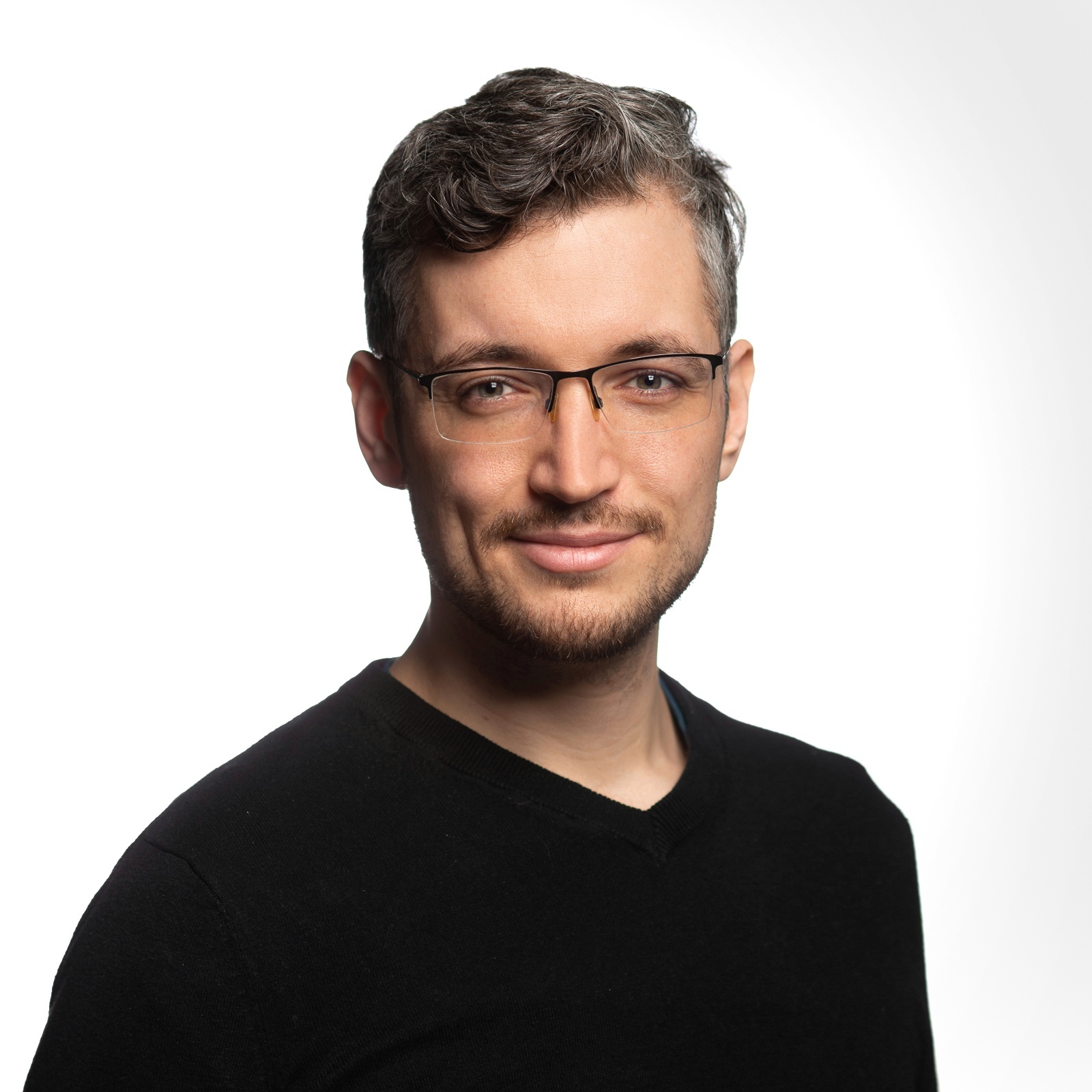
Cristina Olaverri-Monreal
Full Professor, Johannes Kepler University
Show Bio
Cristina Olaverri-Monreal is a full professor and head of the Department Intelligent Transport Systems at the Johannes Kepler University Linz, in Austria. Prior to this position, she led diverse teams in the industry and in the academia in the US and in distinct countries in Europe.
She is the IEEE Division IX Director and member of the 2026-2027 IEEE Board of Directors. Prior to this role, she served as President of the IEEE Intelligent Transportation Systems Society (IEEE ITSS) in 2022 and 2023. She also serves as Chair of the Technical Activities Committee (TAC) on Human Factors in Intelligent Transportation Systems and is the founder and chair of the Austrian IEEE ITSS chapter. Prof. Olaverri is a senior/associate editor and editorial board member of several journals in the field, including the IEEE ITS Transactions and IEEE ITS Magazine.
She received her PhD from the Ludwig-Maximilians University (LMU) in Munich in cooperation with BMW. Her research aims at studying solutions for an efficient and effective transportation focusing on minimizing the barrier between users and road systems. To this end, she relies on the automation, wireless communication and sensing technologies that pertain to the field of Intelligent Transportation Systems (ITS).
Furthermore, she is an expert for the European Commission on ”Automated Road Transport” and consultant and project evaluator in the field of ICT and “Connected, Cooperative Autonomous Mobility Systems” for various EU and national agencies as well as organizations in Germany, Sweden, France, Ireland, etc. In 2017, she was the general chair of the “IEEE International Conference on Vehicles Electronics and Safety” (ICVES 2017). She was awarded the “IEEE Educational Activities Board Meritorious Achievement Award in Continuing Education” for her dedicated contribution to continuing education in the field of ITS. She has also been recently awarded with the prestigious 2023 IEEE MGA Diversity & Inclusion Award. ss
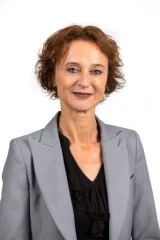
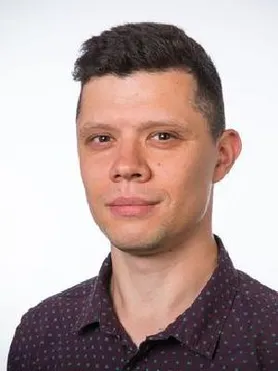
Ilse Harms
Strategic Advisor, CBR
Show Bio
Ilse Harms works as strategic advisor at CBR, where she is a leading figure in the field of human behaviour and vehicle automation. She is a traffic psychologist who enjoys working at the intersection of theory and practice. She conducted her doctoral research at the University of Groningen while working for the Dutch government. Ilse is an expert and advisor in the field of human factors that influence behaviour in traffic. Previously she held positions at RDW, the Ministry of Transport and Rijkswaterstaat. Currently she is also involved in Euro NCAP, where she is the Alternate Director for the Netherlands and the Chair for the Driver Engagement Working Group.
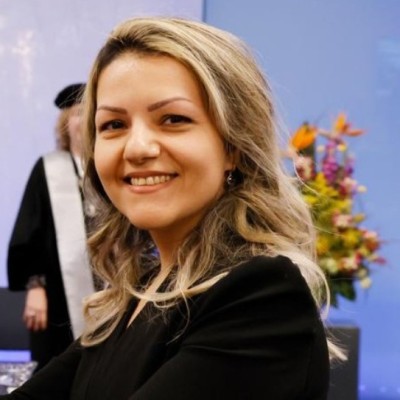
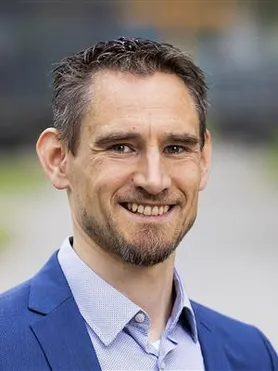
Michal Čáp
VP of Engineering, ISEE AI
Show Bio
Michal Čáp is VP of Engineering at ISEE AI, an MIT spin-off that delivered the world's first driverless distribution yard, where autonomous vehicles move trailers while continuously coordinating with other vehicles and workers on foot. He holds a PhD in Artificial Intelligence from Czech Technical University in Prague and received the Antonín Svoboda Award for the best CS PhD thesis in the Czech Republic. He was a Fulbright Scholar at MIT and later a Postdoctoral Fellow at TU Delft. He is co-first author of one of the most highly cited survey papers in autonomous vehicle research (3,500+ citations). His research interests span multi-robot motion planning, large-scale fleet routing, and multi-agent autonomous systems in general.
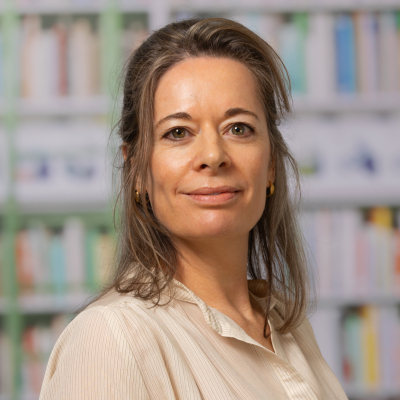
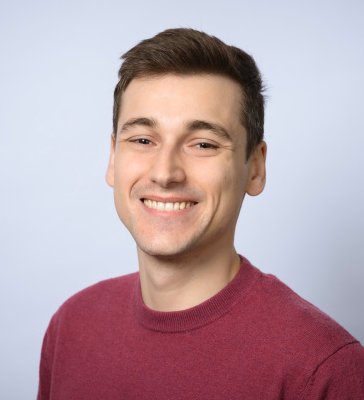
Maartje de Goede
Senior Scientist, SWOV
Show Bio
Dr Maartje de Goede is a senior scientist at SWOV, the Dutch Institute for Road Safety Research, where she specializes in human factors and traffic safety. With a background in psychology and neurocognitive science, she has extensive experience in managing and conducting research on the behaviour of road users in relation to the traffic environment and the vehicle.
Her current work focuses in particular on automated driving and advanced driver assistance systems (ADAS), with an emphasis on the interaction between these systems and their users. She is especially interested in how the quality of this interaction can be assessed and safeguarded before such systems are introduced into real-world traffic.
Dr De Goede is actively involved in both national and international research collaborations, working with governmental bodies, research institutes, and industry partners. Across these collaborations, she consistently aims to bridge the gap between scientific research and policy, ensuring that insights into human behaviour are translated into practical, evidence-based measures that contribute to safer road systems.