Reefwatchers: Safe, Efficient and Scalable Biodiversity Monitoring for Biogenic and Artificial Reefs
About the Project
Biodiversity loss is a global problem that directly affects ecosystem services essential to human well-being, such as food production, water quality and coastal protection. However, evaluating the effectiveness of restoration measures in marine environments remains difficult, limiting our ability to assess their outcomes. Current biodiversity monitoring approaches rely heavily on manual labor, requiring divers, manned survey vessels, or costly remotely operated vehicles, which limits their scalability. This project aims to bridge the gap between biodiversity monitoring and business decision-making by developing safe, cost-effective, scalable, and standardized monitoring approaches.
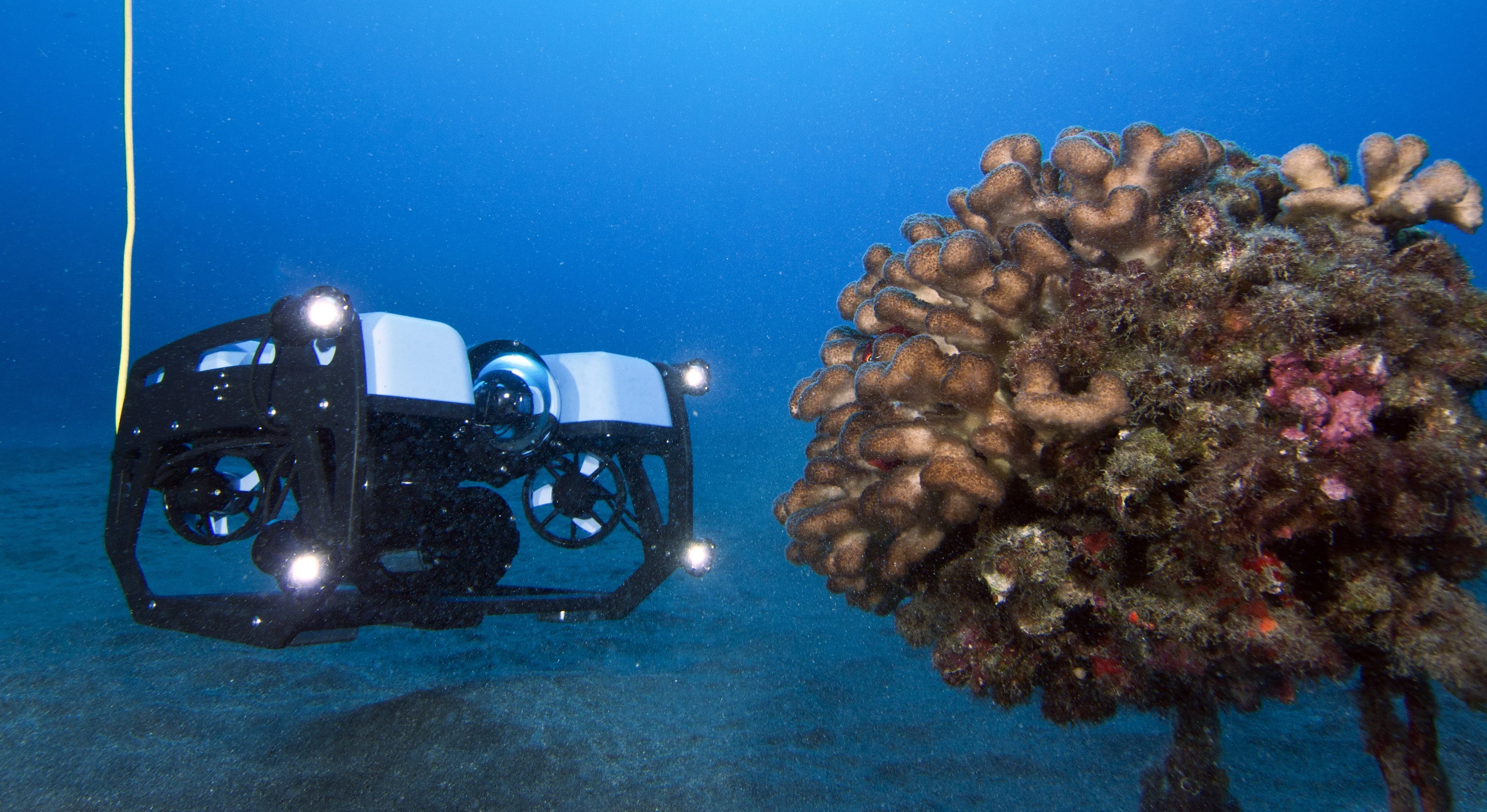
This project will design and implement a biodiversity sensing and monitoring infrastructure composed of fixed sensors and mobile underwater vehicles. It will investigate path planning policies for underwater robots, taking into account multiple objectives within the cost function and integrating expert human feedback for mission planning. Leveraging multi-robot systems, this project will design effective coordination strategies that enhance task execution and monitoring capabilities while explicitly addressing the challenges posed by limited communication in underwater settings. Finally, the autonomous systems will be evaluated under varying ecological and operational conditions at partner restoration projects focused on artificial and biogenic reefs.
Funding & Partners
This project is funded by the Dutch Research Council (NWO) under Grant No. KICH1.LWV08.24.005.